How to get glass skin in 9 simple steps

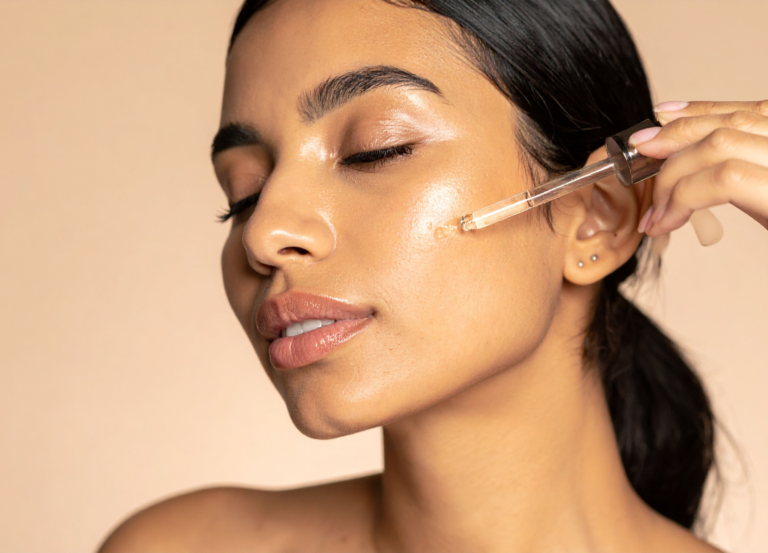
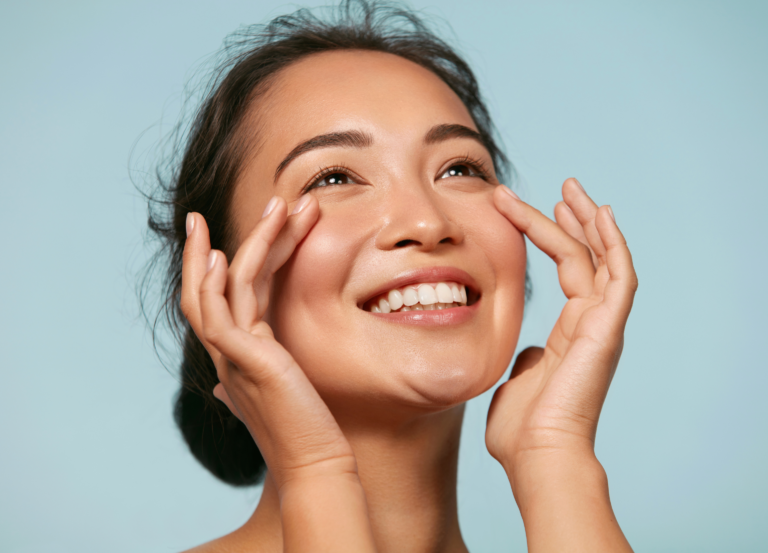
If you’ve been scrolling through skincare videos or beauty blogs lately, you’ve probably heard people talking about “glass skin.” It’s that healthy, smooth, glowing skin that looks fresh and hydrated from every angle.
The good news is this: you do not need expensive skincare products or a complicated routine to get there.
A lot of people think glass skin means having perfect skin, but honestly, it’s more about having healthy skin. Your skin can still have pores, texture, or the occasional breakout and still look beautiful and radiant.
So, how to get glass skin? If you want that natural glow, I’m going to walk you through simple steps that actually help. These are realistic skincare habits that make a big difference over time and that actually work!
Pin it for later!
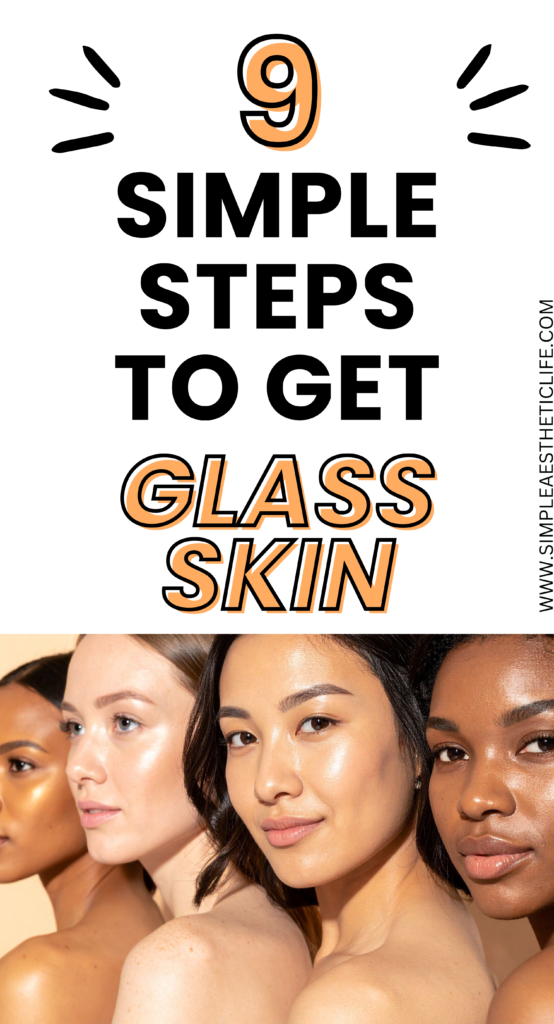
How to get glass skin with these 9 easy steps
What is glass skin?
Glass skin is basically skin that looks:
- Smooth
- Hydrated
- Bright
- Healthy
- Naturally radiant
The skin looks soft and reflective because it’s well-moisturized and cared for consistently.
And here’s something important I want you to remember: glass skin is not about perfection. Social media filters make people think skin should look airbrushed 24/7, but real skin has texture. The goal is healthy skin, not fake perfection.
Step 1: Be gentle with your skin
One of the biggest mistakes people make is being too harsh with their skin.
If your cleanser leaves your face feeling tight or dry afterward, that’s usually a sign it’s stripping away too much moisture. When that happens, your skin can actually become more oily, irritated, or dull over time.
You want your skin to feel clean, not squeaky or uncomfortable.
I always recommend using a gentle cleanser and washing your face twice a day — once in the morning and once before bed.
And if you wear makeup or sunscreen daily, double cleansing at night can really help keep your pores clear.
What I would do is this:
- Use lukewarm water instead of hot water
- Avoid harsh scrubs
- Don’t wash your face too many times a day
- Be patient with your skin
Most importantly, be patient with your skin because healthy, glowing skin takes time. Sometimes doing less is actually better.
Step 2: Focus on hydration
Honestly, hydration is probably the biggest secret behind glowing skin.
When your skin is dehydrated, it can look tired, rough, flaky, and dull. But when it’s properly hydrated, your skin starts looking plumper, smoother, and naturally shiny in the best way.
A lot of people with oily skin skip moisturizer because they’re scared of looking greasy. But oily skin still needs hydration. In fact, dehydrated skin often produces even more oil.
The key is finding lightweight products that hydrate without feeling heavy.
Products that usually help are:
- Hydrating toner
- Hyaluronic acid serum
- Lightweight moisturizer
- Essence
One small trick that really helps is applying moisturizer while your skin is still slightly damp. It helps lock in moisture much better and help you avoid wrinkles at a young age.
Step 3: Don’t over-exfoliate
I know exfoliating makes your skin feel smooth instantly, but too much exfoliation can seriously damage your skin barrier.
This is something a lot of people don’t realize until their skin becomes red, irritated, or sensitive.
Exfoliation should help your skin, not stress it out.
You only need to exfoliate about 1–2 times a week in most cases. Gentle chemical exfoliants usually work better than rough physical scrubs.
Keep this in mind:
- More exfoliation does not mean faster results
- If your skin burns or stings, slow down
- Healthy skin needs balance
Trust me, your skin will glow more when you stop attacking it with too many products.
Step 4: Wear sunscreen daily
If I could give only one skincare tip, it would probably be this.
Sunscreen matters so much more than people think.
You can spend money on serums, facials, and expensive moisturizers, but if you skip sunscreen every day, your skin will struggle to maintain that healthy glow.
Sun exposure can lead to:
- Dark spots
- Uneven skin tone
- Fine lines
- Dryness
- Dull-looking skin
And yes, sunscreen still matters even when it’s cloudy.
My honest advice:
Find a sunscreen you actually enjoy wearing. If a product feels heavy or greasy, you probably won’t use it consistently.
The best sunscreen is the one you’ll wear every single day.
Step 5: Don’t use too many products at once
This is one of the biggest skincare mistakes I see constantly online.
People buy ten new products at once, mix strong ingredients together, and then wonder why their skin becomes irritated.
Your skin does not need a complicated routine to glow.
In fact, simple routines are often better because they’re easier to maintain and less likely to overwhelm your skin.
Ingredients that are usually great for glow are:
- Hyaluronic acid for hydration
- Niacinamide for smoother texture
- Vitamin C for brightness
- Ceramides for barrier repair
But introduce products slowly. Give your skin time to adjust before adding something new.
Step 6: Protect your skin barrier
Your skin barrier is basically your skin’s protective shield.
When it’s healthy, your skin feels calm, hydrated, and balanced. But when it’s damaged, you may notice:
- Dry patches
- Irritation
- Redness
- Breakouts
- Sensitivity
A damaged skin barrier is one of the biggest reasons skin stops looking healthy and glowing.
Here’s how to protect it:
- Avoid over-exfoliating
- Keep your routine simple
- Don’t use strong acids every day
- Use gentle and hydrating products
A healthy barrier is what gives skin that naturally fresh look.
Step 7: Sleep and stress affect your skin more than you think
I know skincare products are exciting, but lifestyle matters too.
Your skin repairs itself while you sleep. If you’re constantly stressed or not getting enough rest, your skin usually shows it.
You might notice:
- Puffy eyes
- Dullness
- Breakouts
- Tired-looking skin
And honestly, no serum can fully fix chronic stress and lack of sleep.
Small habits that help:
- Try to sleep 7–8 hours
- Change your pillowcase regularly
- Drink enough water
- Avoid touching your face too much
- Take breaks when you’re stressed
Healthy skin often starts with healthier daily habits.
Step 8: Eat foods that support healthy skin
You don’t need a perfect diet, but what you eat can absolutely affect your skin.
Foods rich in vitamins, antioxidants, and healthy fats can help support brighter and healthier-looking skin over time.
Foods to eat for a glowing skin:
- Fruits
- Leafy greens
- Nuts and seeds
- Salmon
- Avocados
- Cucumbers
- Watermelon
And while you don’t need to avoid treats completely, too much sugar and heavily processed food can sometimes make breakouts and inflammation worse.
Your skin reflects your overall health more than most people realize.
Step 9: Be consistent and stop chasing overnight results
This is probably the most important advice in this entire post.
Good skin takes time.
You do not need luxury skincare products, viral TikTok trends, or a complicated 12-step routine to achieve healthy, glowing skin. What truly makes a difference is having patience, staying consistent with your routine, and following simple skincare habits.
Most people quit their skincare routine too early because they expect instant results. But healthy skin is built slowly through consistency.
And please stop comparing your skin to heavily filtered photos online. Real skin is normal.
A simple glass skin routine for beginners
If you’re overwhelmed by skincare, start simple. You can follow the same skincare I do, which is very easy and affordable.
Morning routine
- Gentle cleanser
- Hydrating toner
- Vitamin C or niacinamide serum
- Moisturizer
- Sunscreen
Night routine
- Gentle cleanser
- Hydrating serum
- Moisturizer
- Exfoliant 1–2 times weekly
That’s honestly enough for most people.
You can always add more later if your skin needs it.
Common mistakes to avoid
Sometimes the things preventing healthy skin are actually small daily habits.
Try to avoid:
- Over-exfoliating
- Skipping sunscreen
- Using too many products
- Picking at your skin
- Constantly switching routines
- Following every skincare trend online
Your skin likes consistency more than chaos.
How long does it take to get glass skin?
I want to be realistic with you here.
You probably won’t wake up with glass skin overnight, and that’s completely normal.
Most people start noticing:
- Better hydration within 1–2 weeks
- Smoother texture after about a month
- More visible glow after 2–3 months
Small improvements add up over time.
Final thoughts
If there’s one thing I want you to take away from this post, it’s this: glowing skin comes from taking care of your skin consistently, not from chasing perfection.
You don’t need expensive products or flawless skin to achieve a healthy glow. Focus on hydration, sunscreen, gentle skincare, good sleep, and patience.
And most importantly, be kind to your skin.
Healthy skin is not about looking perfect — it’s about looking cared for, balanced, and naturally radiant.